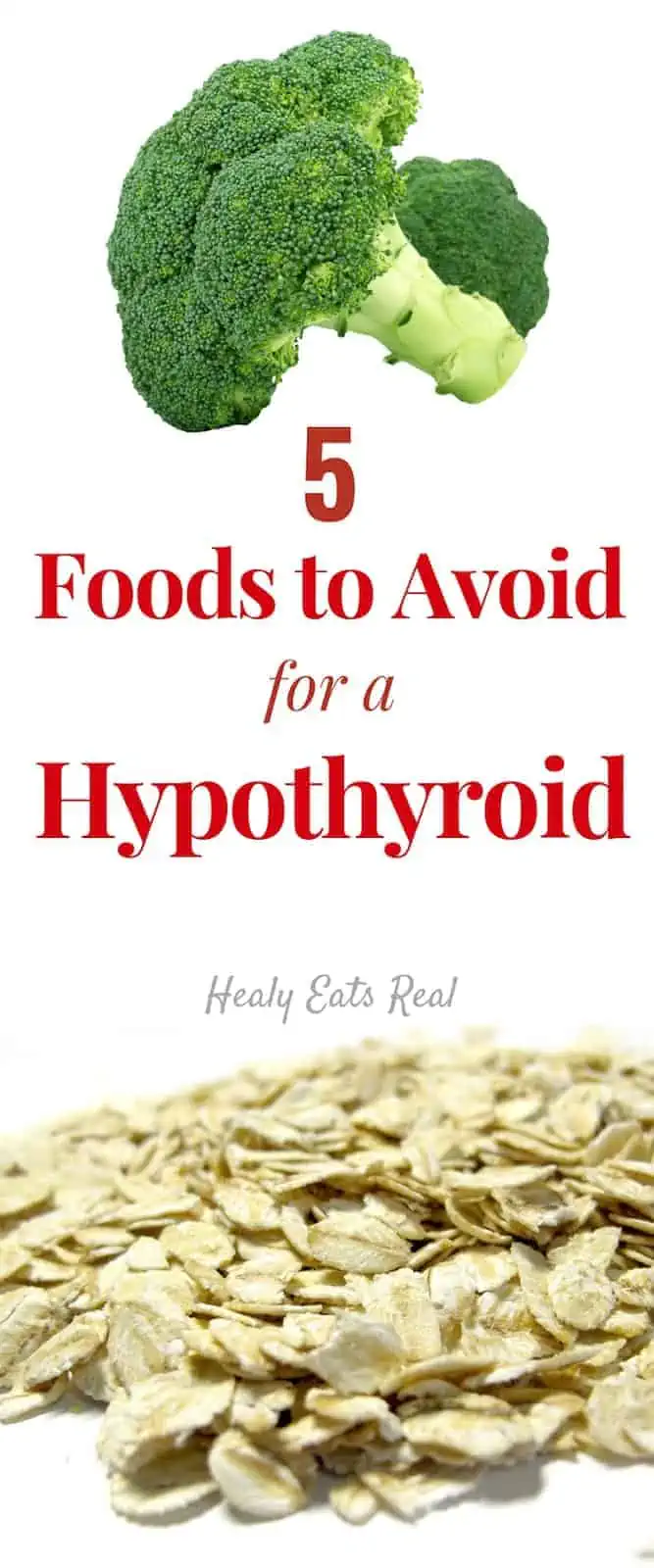
5 Foods to Avoid For A Hypothyroid Diet

By Tina Christoudias
Updated July 12, 2023
This post may contain affiliate links. As an Amazon Associate I earn from qualifying purchases. Please read the disclosure policy.
The right hypothyroid diet that helps with your symptoms can be tough to find. The secret to improving your hypothyroidism and overall well-being is to change your diet and avoid the foods that are causing the most harm.
One of the most frustrating symptoms of having an underactive thyroid is the consistent fatigue and lack of energy you feel. You yearn for the days when you were able to be active, keep up with your kids or even just to appreciate a warm, sunny day. What most people do not know is that thyroid medication alone is not enough to help you regain your vigor and zest for life.
What NOT to Eat for A Hypothyroid Diet:
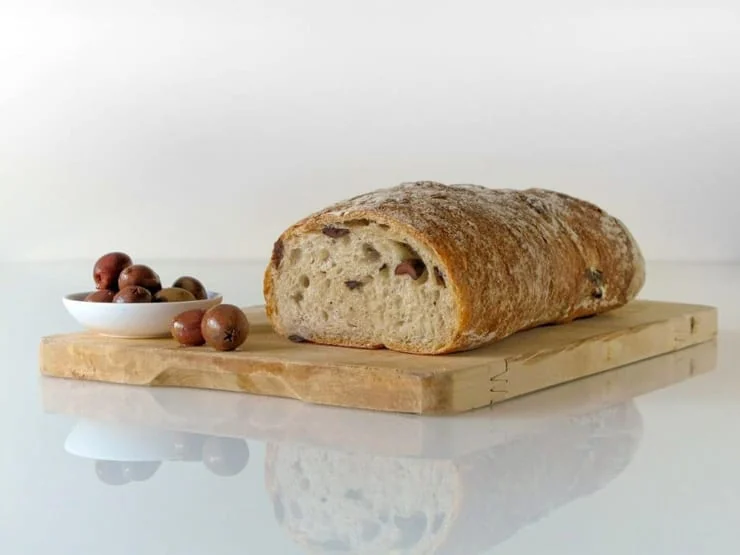
1. Gluten/Grains
To a society that has learned to eat a diet predominantly made of processed, white flour, excluding gluten and grains from the diet sounds like a nightmare. However, there is increasing research that links the consumption of gluten-containing foods to the rising epidemic of autoimmune conditions. Excluding gluten alone could, for many people, improve symptoms of hypothyroidism.
Gluten opens the “doors” of the intestines so that big protein particles like gliadin (part of the gluten molecule) escape into the blood. (2) When this happens occasionally, the immune system is called upon to clear the gliadin. When it happens over the course of months and years, the immune system dysfunctions and begins to attack healthy tissue.
This is ultimately what happens in the case of Hashimoto’s thyroiditis. Gluten begins a cascade of events that eventually ends up in the demise of the thyroid gland. Therefore, you can appreciate, when gluten is removed, many people with hypothyroidism start to feel better.
Which foods contain gluten?
Foods that contain gluten typically include foods made from wheat, barley and rye. Examples are…
- bread
- pasta
- biscuits
- crackers
- cakes (baked goods)
- croutons
- breadsticks.
Less obvious sources of gluten (unless marked as gluten-free) are…
- soy sauce
- some sauces and marinades
- some ready-made broths
- hamburgers made with breadcrumbs
- beer
- brewer’s yeast.
Also, keep in mind that naturally non-gluten containing grains like rice and oats could be contaminated with gluten from the factory they are packaged in. Watch out for foods that seem gluten-free, but aren’t, Make sure you choose foods that are labeled as gluten-free.
Should all grains be excluded?
In the beginning of a protocol to heal hypothyroid symptoms, it helps to exclude all grains. This includes grains that are considered healthy like oats, quinoa and buckwheat. Also, remember that corn is a grain too! These too can trigger an autoimmune response in sensitive individuals. Once symptoms improve, you can introduce these grains slowly in order to assess if they are tolerated.
2. Dairy
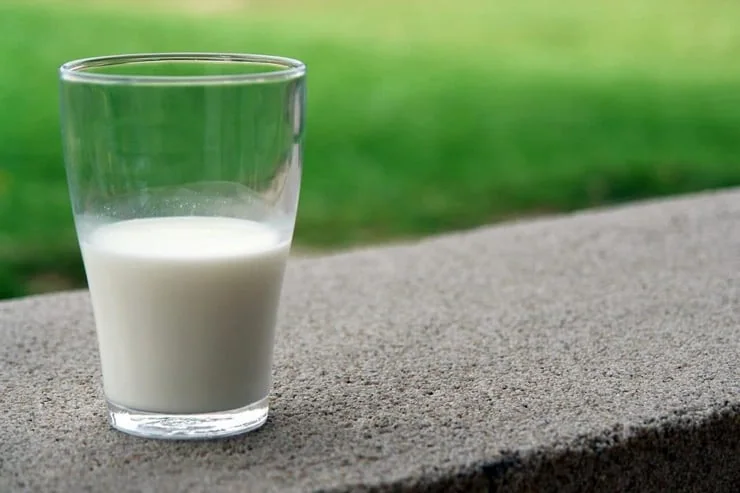
Since people with hypothyroidism typically have issues with a leaky gut, excluding dairy in this group of people also helps alleviate symptoms of hypothyroidism. Just like the immune system can attack gluten, casein, one of the proteins found in milk, can also trigger an autoimmune response. Therefore, avoiding dairy in a hypothyroid diet is also needed to heal.
Which foods contain dairy?
Dairy is found in foods that have milk as a base. These include…
- milk
- cheese
- yogurt
- butter
- whipping cream
- sour cream
Also, check labels for words like lactose, casein, whey and dairy product solids to make sure you are avoiding all things dairy. (3)
3. Soy
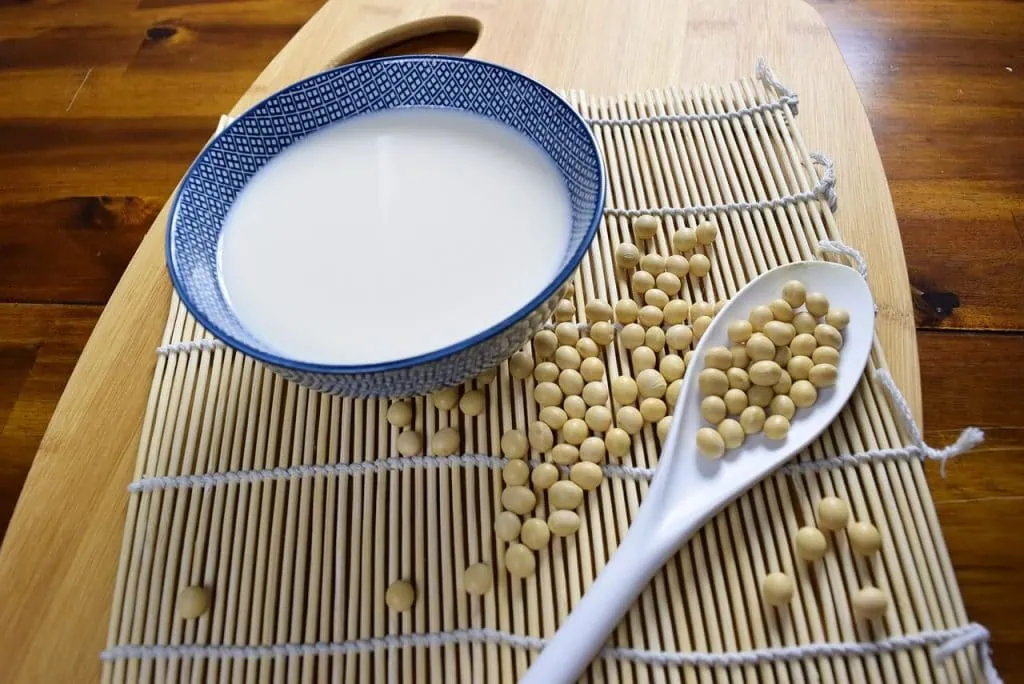
Although you may relate soy to health, it should be excluded entirely from the diet. This is so because soy contains isoflavones which have been found to be an endocrine disruptor. What this means is that soy interferes with the delicate balance of hormones within the body.
For example, one study found that eating soy products had the same hormone altering results as women given tamoxifen, a drug used in breast cancer. (4) In animal studies, isoflavones have been shown to decrease thyroid function. (5) One British study found that a modest isoflavone exposure (16mg/day) increased the likelihood of progressing from subclinical to overt hypothyroidism. (6)
As you can see, soy products are simply not a good idea for hypothyroidism.
Which foods contain soy?
There are more obvious foods that contain soy and also ones that are more hidden…
- tofu
- soymilk
- soy sauce
- tempeh
- natto
- soybeans
- most fake meat products
- soy protein
- soy lecithin
- vegetable oil (soybean oil)
Although it may be obvious to exclude foods like soy milk or soy protein from the diet, what my not be so obvious is where soy is hidden. For example, soy lecithin is an additive made from soy that is ubiquitous in most processed foods. Therefore, it is very important to avoid processed foods and to always check the label before purchasing or eating a packaged food.
4. Sugar
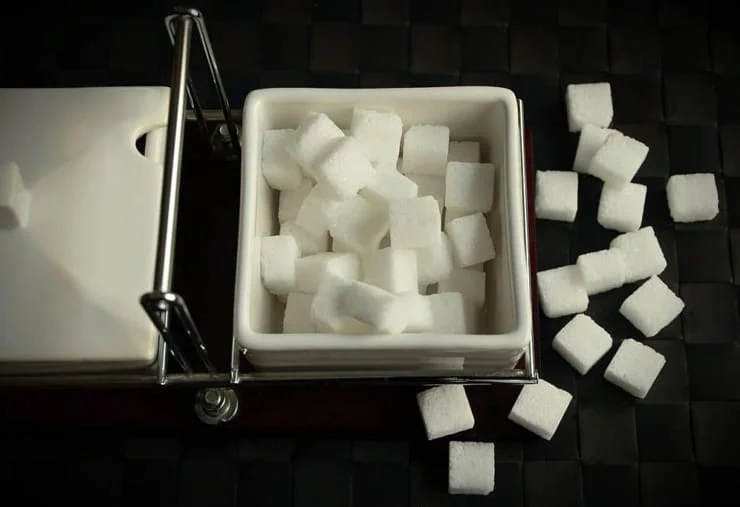
Most people with hypothyroidism have issues with blood glucose balance and metabolic syndrome (a group of metabolic risk factors which include insulin resistance) caused by a diet filled with processed sugar. (7,8) Therefore, it is imperative for thyroid patients to balance blood sugar in order to optimize thyroid function.
How to avoid sugar:
One great way to avoid many added sugars is to stay away from processed foods. It’s best if the only sugar that you consume is from fruits.
Even so, in order to balance blood sugar, it is important to mix fruits with a protein source (like nuts) to avoid a glucose spike in your blood. Eating in this fashion will help you to balance your blood glucose, lose weight and enhance thyroid function.
5. Goitrogens (Sometimes)
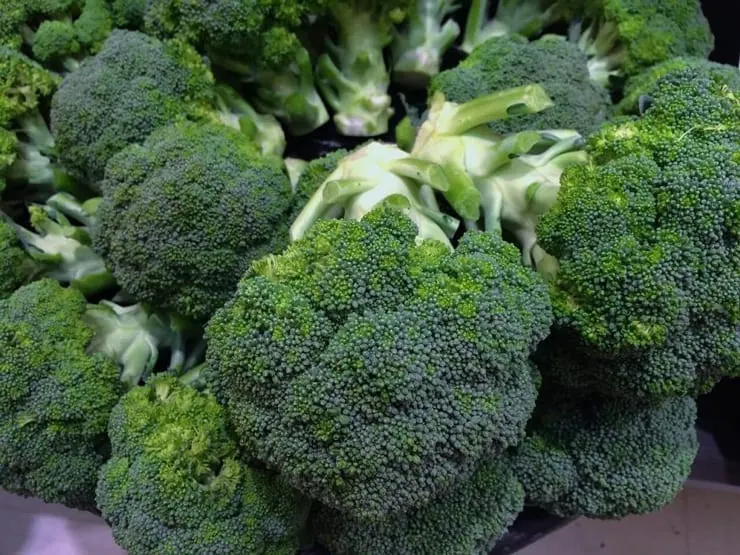
A goitrogen is a compound in food that blocks the thyroid from working optimally. Goitrogens can be found in cruciferous vegetables like broccoli, kale, cauliflower, brussel sprouts, collard greens, cabbage and more. But, before you remove these foods from your diet completely read on….
Technically, goitrogens fight for the absorption of iodine which is an essential ingredient needed for thyroid hormone formation. This ultimately decreases thyroid function. Most people with hypothyroidism believe that they should avoid these foods, however, there is evidence that shows it is not as clear cut as this.
It is actually ok to eat goitrogenic foods like cruciferous vegetables when you are not deficient in iodine and selenium. (9) If you check for these deficiencies, eating foods that contain goitrogens are actually good for thyroid health. They contain liver detoxifying as well as anti-cancer properties. Therefore, not eating these foods is more risky than including them in your diet.
If you suspect you may be deficient in iodine or selenium or if you aren’t sure, you can make sure to cook goitrogenic foods (steamed broccoli, sauteed kale, etc.) and avoid eating them raw. The process of cooking breaks down goitrogens and makes it safe for healthy thyroid function.
Knowing Your Thyroid Levels Helps You Heal…
Getting an accurate view of your thyroid hormone levels when visiting the doctor can be quite difficult, unfortunately. Most doctors have been trained to only test for TSH or T4 levels. However, you can still show up as “fine” with these tests yet still have underlying imbalances as well as symptoms.
It’s really important to test for additional thyroid hormones like Free T3, reverse T3 and Free T4. These tests give you a more complete view.
With sub-clinical hypothyroidism, your thyroid hormone levels aren’t flagged as bad enough to be considered hypothyroidism to warrant medication, but many people still suffer symptoms that may necessitate the use of certain supplements.
That’s why I use this at-home test to check on my thyroid levels. It measures TSH, Free T4, Free T3, and reverse T3 so I can get a complete picture of what’s going on. Then I take my results to my nutritionist, one who understands both western medicine and alternative healing methods, so we can read the results together and get to the root cause of it all.
It’s best to work with a good naturopathic doctor, so you know exactly what stage of hypothyroidism you’re dealing with and what to do about it. It’s always good to be informed about your own health.
The Right Hypothyroid Diet…
It may sound disheartening to find out that once thought “healthy” foods are unhealthy, but when it comes to an underactive thyroid or an autoimmune condition, research shows that a diet free from grains, sugar, dairy, beans and legumes is ideal to improve symptoms. In many cases, it may even put an autoimmune disease into remission.
A paleo-style diet is free from grains, pulses, legumes, dairy and sugar and can be very helpful for the thyroid.
A Polish review revealed that the Paleo diet is able to make favorable changes in risk factors such as weight, waist circumference, C-reactive protein (a marker of inflammation), glycated hemoglobin or HbA1c (a measure of blood glucose control), blood pressure, glucose tolerance, insulin sensitivity and lipid profiles (like cholesterol). (1)
Additional Hypothyroidism Resources:
- 5 Thyroid TOXINS in Your Home
- 5 Steps to STOP Hypothyroidism Hair Loss
- 5 Reasons Cruciferous Vegetables are NOT Bad for Your Thyroid
- 6 Best Foods for Hypothyroidism
- Top 4 Thyroid Detox Mistakes
- 5 Best Thyroid Supplements
Sources:
- https://www.ncbi.nlm.nih.gov/pubmed/22642064
- https://www.ncbi.nlm.nih.gov/pubmed/25734566
- https://www.kidswithfoodallergies.org/media/Milk-Allergy-Avoidance-List-Hidden-Names.pdf
- https://www.ncbi.nlm.nih.gov/pubmed/?term=Proceedings+of+the+Society+for+Experimental+Biology+and+Medicine+1995+Jan%3B208(1)%3A51-9).
- https://www.ncbi.nlm.nih.gov/pubmed/8924586
- https://www.ncbi.nlm.nih.gov/pubmed/16571087
- https://www.ncbi.nlm.nih.gov/pubmed/21325465
- https://www.ncbi.nlm.nih.gov/pubmed/20339314
- https://www.ncbi.nlm.nih.gov/pubmed/20447068
- https://www.ncbi.nlm.nih.gov/pubmed/1375059
This article was originally posted in January of 2017 but has been republished in February of 2019 to include updated information and a new video.